
Cloud computing has revolutionized modern businesses, allowing scalable, flexible, and cost-effective businesses. It has also come up with complicated security issues. Poor access controls, misconfiguration, and visibility are still one of the most frequent reasons for cloud breaches.This reference on the topic of the best practices of cloud security lists the 10 most important practices that can be applied by organizations to secure their environment and comply with the best practices of cloud infrastructure security standards.
Most security breaches happen because organizations expect the provider to take care of everything. As a matter of fact, the roles are different when you are using IaaS, PaaS or SaaS. A clear definition of ownership between teams is a way of ensuring that no gaps in security coverage exist, and it is in line with the underlying best practices of cloud security. This model should also be revisited regularly by the organization as it adopts new services. With the increased use of cloud environments, responsibilities may change, and to ensure good security controls, constant awareness is a necessity.
Security should not be implemented as an end goal, but rather it should be integrated into the development processes. Automated tools can scan code and infrastructure settings before deployment. The strategy makes it easy to identify the vulnerabilities as they arise, and this lowers the cost and effort of correcting them afterwards. Moreover, developing a culture of shared responsibility by encouraging the collaboration of the development, operations, and security teams enhances the overall security results.
What is data security?
Data security refers to the protection of digital assets and information from unauthorized access and misuse. It ranges from securing physical devices and hardware to protecting software applications and their contents. Historically, data protection laws in the US focus on protecting specific types of data in certain industries. Broader legislation often takes place at the state level, only protecting citizens in a localized area. Although efforts have been made to enact comprehensive data protection laws in recent years, it’s important to be mindful of cybersecurity threats. Taking independent measures to enhance your data security is an excellent way to ensure your private data remains private.
In an organization or business, data security is often approached through cybersecurity policies, procedures, and technologies. On an individual level, users may rely on data security tools or data safety practices. There are subcategories of data security, such as:
- Cloud data security: Cloud computing enables users to access data from any device that can connect to the internet. As a result, securing cloud data requires unique processes, tools, and guidelines. Cloud data security is the process of protecting data as it rests (in storage) and travels in and out of the cloud.
- Big data security: The term big data refers to data that is large, complex, and varied. It’s often managed by enterprise-level businesses or organizations. The most significant difference between big data security and any other data protection strategy is variety. Data collection sources, devices used to access and store the data, and analytical tools used to output the data may all require different modes of protection.
Understand the cloud shared responsibility model
Before doing anything, you need to determine what you are responsible for when it comes to cloud security. The cloud shared responsibility model outlines what security cloud service providers (CSP) offer and what organizations need to handle themselves.
Each CSP will differ slightly on what they will or won’t provide protections for, but, generally speaking, CSPs monitor and protect cloud environments and customers secure their assets and data hosted in the cloud.
The type of cloud deployment that an organization implements will impact the shared responsibility, too. For infrastructure as a service (IaaS), the CSP secures the infrastructure and the customer protects user, applications, endpoint, network, workload, and data security.
For platform as a service (PaaS), CSPs protect the platform, while the customer secures network, workload, applications, and user security. For software as a service (SaaS), CSPs protect the application, while the customer secures network, user, and endpoint security.
Once you understand what your responsibility is, then you can develop your cloud security strategy and adopt necessary cloud security tools.
Adopt secure development practices
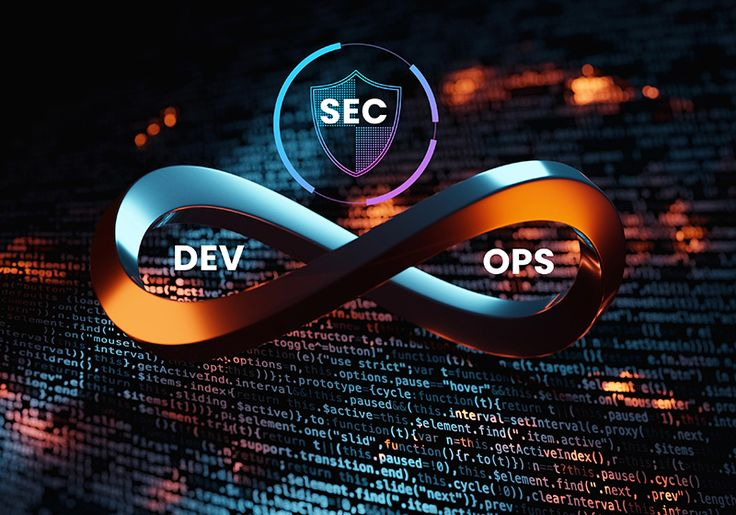
Planning: Determine the security risks and create a plan for how to address them during development, including secrets management, data encryption, access controls, and frameworks to use.
Design: Outline the secure software architecture to identify potential attack vectors, implement secure coding standards, and integrate authentication and authorization processes.
Development: App development starts here and should follow the secure coding standards determined before, and perform continuous vulnerability management to discover weaknesses and remediate them.
Testing: Use automated testing tools, vulnerability scanning, and manual reviews to ensure the software follows secure software architecture and coding standards.
Deployment: Before the application goes live, verify that all vulnerabilities were remediated and no new weaknesses were discovered.
Maintenance: Security is an ongoing process, so keep monitoring the application for vulnerabilities and remediate them as they crop up.
Security should be a part of everything at an organization, and that includes software development. This is often called the shift-left movement, integrating security from initial builds to the final market-ready application.
The best way to secure CI/CD pipelines is by following the secure software development lifecycle (SSDLC). The SSDLC is broken out into six phases:
How to keep data safe and secure
Whether you’re a small business owner, an employee, or an individual, there are many different ways to secure your data. In the sections below, you can learn about the three types of data security safeguards: administrative, physical, and technical. Then, read on to find out how you can employ these safeguards for personal or professional use.
Types of data security solutions



- Administrative security solutions: Administrative safeguards are established protocols, policies, and procedures for protecting data. Examples include access management, risk analysis, data security training, and disaster recovery planning.
- Physical security: Physical data security strategies include locked cabinets, restricted access areas, and secured locations for physical keys to eliminate the risk of illegal access.
- Technical security: Technical safeguards refer to the tools, controls, and security technologies used to protect data. Examples include system configurations that require passwords to be a certain length or software that helps detect unauthorized users.
How to choose the right cloud security solution
When selecting a cloud security solution, it’s important to evaluate key features like encryption, access control, threat detection, and compliance capabilities. Opt for solutions that provide comprehensive protection and integrate smoothly with your existing systems.
Consider the Salesforce cloud data security platform, which provides advanced features like Salesforce Shield that includes encryption and cloud security monitoring. These features play a critical role for both data protection and regulatory compliance. To ensure you’re addressing all critical security gaps, assess your organisation’s unique needs. The right solution will deliver robust protection, minimise risks, and secure your cloud environment.
For more, explore our whitepaper on how Salesforce Shield enhances your security on day one with real-time event monitoring, advanced data access controls, and encryption to safeguard your cloud.
Cybersecurity best practices for small businesses: Doing more with less

Small businesses are not immune to cyber threats. In fact, they are frequently targeted precisely because they often lack enterprise-grade defenses.
Cybersecurity best practices for small businesses must prioritize high-impact, cost-effective measures:
| Priority area | Recommended action |
| Access control | Enforce MFA on all accounts – email, cloud apps, and VPN |
| Backup and recovery | Maintain encrypted offsite and cloud backups tested regularly |
| Email security | Deploy anti-phishing and email filtering tools as standard |
| Patch management | Automate OS and application updates to close known vulnerabilities |
| Endpoint protection | Use next-generation antivirus on all employee devices |
Even with limited budgets, small businesses can adopt a risk-based approach — focusing resources on the assets and systems most critical to operations.
Building a resilient security posture for the threats ahead
The cybersecurity best practices covered in this guide share a common thread: resilience through integration.
No single tool or policy is sufficient. The organizations that weather cyber threats most effectively are those that combine:
- A zero trust foundation that treats every access request as a potential risk
- AI-augmented detection that surfaces threats faster than manual analysis allows
- A security-aware workforce that acts as an active layer of defense
- A unified security platform that provides consistent visibility across network, cloud, and endpoint
As attack vectors multiply and threats grow more sophisticated, the gap between organizations with mature security programs and those without will widen considerably.
Adopting a structured, intelligence-led approach to cybersecurity best practices – aligned with frameworks like NIST and CISA – is the foundation of sustainable cyber resilience in 2026 and beyond.
FAQ’s