
Insurance planning is a critical part of financial preparedness, especially when it comes to protecting your family’s future. As 2026 approaches, individuals and families should reassess their financial safety net to ensure it aligns with changing responsibilities, income levels and long-term goals.
This guide explains the importance of Life Insurance in family protection, how to approach insurance planning for 2026 and the key factors to consider for long-term financial security.
Health insurance has become one of the most important financial products for Indian households in 2026 as medical inflation continues to rise rapidly across metro and non-metro cities. The cost of hospitalisation, surgeries, cancer treatment, and chronic disease management can now run into several lakhs, making comprehensive medical insurance essential for protecting long-term savings and financial stability.
The best health insurance plans in India are no longer judged only by low premiums. Consumers now prioritise high claim settlement ratios, large hospital networks, zero room-rent restrictions, restoration benefits, chronic disease coverage, and digital claim support.
This detailed guide compares the top health insurance plans in India for 2026, using operational performance, policy benefits, and real-world usability to help families, professionals, senior citizens, and young buyers choose the right coverage.
What is Health Insurance?

Health insurance, also referred to as medical insurance, is a financial contract where the insurer covers your medical expenses during the policy period in return for the premium you pay. It covers a wide range of medical expenses such as pre- and post-hospitalisation, hospitalisation, OPD treatment, AYUSH treatment, surgical procedures, and more.
If you get injured or are diagnosed with an illness, your health insurance policy will cover all the related medical expenses for your treatment. From consultations and diagnostic tests to treatments and post-treatment care, most of your medical needs are taken care of.
Why Insurance Planning Matters for Families

Life is unpredictable, and insurance planning helps families stay financially prepared for uncertainties.
Effective insurance planning helps families:
- Maintain financial stability during income disruption
- Manage long-term obligations and responsibilities
- Protect dependents from financial hardship
- Build confidence and peace of mind
Life Insurance plays a central role in creating this protection framework.
Understanding Life Insurance in Family Protection
Life Insurance is designed to provide financial support to your family in the event of unforeseen circumstances.
It helps cover essential expenses and long-term goals so that dependents are not financially burdened.
Life Insurance supports:
- Household and living expenses
- Education planning for children
- Outstanding financial commitments
- Long-term family security
A well-planned Life Insurance strategy strengthens overall financial resilience.
How to Choose the Right Health Insurance in 2026?

This blog shares practical tips to help people choose the right health insurance plan.
With medical inflation averaging 11%-13% per annum, simply purchasing health insurance in 2026 isn’t sufficient. You must choose the right insurance that covers all the basic medical needs of self and family.
While the Indian market provides numerous individual and family health insurance plans, choosing the most suitable plan can feel overwhelming due to the wide range of options and conflicting advice from people.
Hence, we’ve created this health insurance guide to simplify your policy selection. It contains timeless tips that can help you choose the most suitable health insurance in 2026, so read till the end.
Benefits of Buying Health Insurance in India
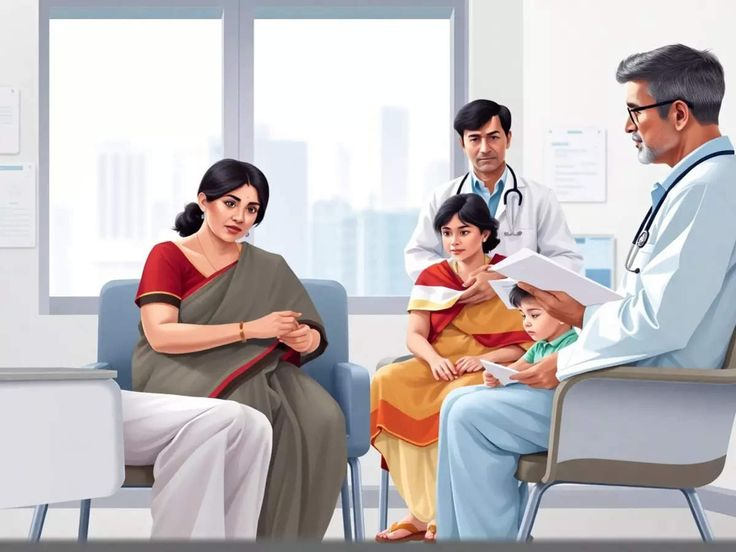


Buying health insurance in 2026 shouldn’t be considered optional. This investment can provide the following benefits:
● Protects Your Savings During Medical Emergencies
A single hospitalisation can lead to substantial expenses, especially if a surgery, intensive care, or prolonged treatment is involved. Health insurance can help you cover eligible medical costs, so you don’t have to drain your emergency savings or borrow funds during such a stressful time.
● Provides Access to Timely & Quality Healthcare
Insurance plans with a cashless treatment facility will ensure you and your family receive timely and quality medical care without large upfront payments. If you get yourself covered in a plan like Shri Health Suraksha Insurance policy from Shriram General Insurance, you can enjoy a cashless treatment facility across a wide range of network hospitals.
● Covers More Than Just Hospital Bills
The right health insurance plans don’t just cover hospitalisation expenses. They also cover pre and post-hospitalisation expenses, including ambulance charges, doctor’s consultation fee, diagnostic tests, and recovery medicines. This broader coverage further limits financial pressure on the policyholder.
● Gives Tax Relief Under the Income Tax Act
You can claim deductions for the premium amount under section 80D, subject to the applicable limit. However, you can only claim this deduction if you’re filing your income tax return under the old tax regime.
● Helps You Manage Rising Healthcare Costs
Medical inflation will drive healthcare costs higher in the coming years. Buying the right health insurance in 2026 will help you secure financial protection, so you can avail quality healthcare without worrying about the medical bills.
Different Types of Health Insurance Plans



Before you proceed with health insurance comparison, ensure you have a clear understanding of the different types of health insurance plans. It will help you compare similar types of policies for better decision-making. You’ll usually come across the following types of health insurance plans in India.
● Individual Health Insurance
As the name indicates, such plans cover a single person. You can use the entire sum insured amount towards your medical treatment. It’s ideal for people who want personalised coverage based on their age, health condition, and medical requirements.
● Family Floater Health Insurance
A family floater covers multiple family members, including self, spouse, children, and parents under a single policy. You can choose a family floater plan if you don’t want the hassle of managing multiple health policies for each family member.
Instead of allocating a separate sum insured to each family member, the plan provides a shared sum insured amount. You can choose to use the entire sum insured amount towards the treatment of one family member or more, depending on the situation and policy terms.
It can significantly lower your financial burden during medical emergencies, especially when the duration of hospitalisation is longer than expected and a family member has to undergo multiple treatments during the same policy year.
● Critical Illness Health Insurance
Unlike regular health insurance plans, critical illness plans provide a lump sum payout once a serious illness covered in the policy gets diagnosed. You can use this amount for medical treatment, income replacement, rehabilitation, or any other financial need.
Understanding Health Insurance Terminology Before Buying a Policy
Choosing the best health insurance policy in India becomes much easier when policyholders understand the basic insurance terminology used by insurers. Many buyers focus only on premiums while ignoring important policy conditions that directly affect claim settlement, hospital expenses and overall financial protection during medical emergencies.
Terms such as Claim Settlement Ratio (CSR), waiting period, co-payment, restoration benefit and sub-limits play a major role in determining how useful a policy actually becomes at the time of hospitalisation. A health insurance plan with strong coverage features and minimal restrictions can significantly reduce out-of-pocket medical expenses and provide better long-term protection for individuals and families.
Understanding these health insurance terms also helps buyers compare policies more effectively instead of choosing plans based only on low premiums or advertisements.
Common Mistakes to Avoid When Buying Health Insurance



Whether you’re purchasing your first health insurance in 2026 or another plan for extra coverage, ensure you don’t make the following mistakes during the purchase process.
● Choosing a Policy Because it Has a Low Premium
A policy with a lower premium may appear to be a smart choice initially, but its low coverage can place you under financial stress during medical emergencies. Policies with incredibly lower premiums usually come with multiple trade-offs, including low coverage, higher co-payments, stricter sub-limits and fewer benefits.
Hence, instead of comparing the policies’ premiums alone, evaluate the value each delivers against the premium. It will help you choose the most suitable health insurance in 2026.
● Not Reading the Policy’s Waiting Period Clause & Exclusions
Many claim disputes arise because policyholders assumed every disease or healthcare condition would be covered from day one. Coverage for certain diseases/health conditions only becomes active after the waiting period specified in the policy has been completed.
Similarly, not every medical expense is covered in the policy. Never purchase an individual or family health insurance plan without reading the policy’s full exclusion list.
● Hiding or Misreporting Your Medical History
Whether you’re buying health insurance in 2026 for yourself or your family members, you should always disclose the correct medical history to the insurer. If any irregularities or fabricated information is identified later, you risk facing claim rejections.
● Underestimating the Required Sum Insured
Some individuals choose a policy with a lower sum insured to save on premiums. They don’t consider current hospitalisation costs in their city, medical inflation, and the probability of longer hospital stays while choosing the sum insured.
Ensure you don’t make this mistake; otherwise, you may end up paying higher out-of-pocket expenses for the treatment.