
Taxes are one of those parts of life that most people would happily avoid if they could. You earn money, spend money, save some, perhaps invest a little, and somewhere along the way there is paperwork asking you to explain what happened to your money.
For individuals, tax season can feel confusing. For freelancers and small-business owners, it can feel even more complicated because personal finances and business finances may start to overlap. Add invoices, expenses, receipts, deductions, deadlines, investment income, and changing tax rules, and it is easy to feel like something important has been missed.
The good news is that tax and accounting do not have to remain mysterious. You don’t need to become an accountant to understand your own finances. You simply need a basic system, accurate records, an awareness of the rules that apply to you, and enough time to review everything before a deadline arrives.
This guide explains the fundamentals of taxes, deductions, filing, accounting, record-keeping, and financial planning in a straightforward way.
What Is Tax and Accounting?
Tax and accounting are related, but they are not exactly the same thing.
Tax is primarily concerned with calculating and reporting what you may owe to a government authority based on applicable laws. Depending on where you live and your financial situation, taxes can apply to income, purchases, property, investments, businesses, and other activities.
Accounting is the broader process of recording, organizing, understanding, and reporting financial information.
In everyday life, accounting might mean keeping track of income and expenses. For a business, it can involve bookkeeping, payroll, invoices, assets, liabilities, cash flow, financial statements, and tax records.
You can think of accounting as the story of what happened financially, while tax reporting uses relevant parts of that financial story to meet tax obligations.
Why Tax Planning Matters

Many people think about taxes only when a filing deadline is approaching.
That is often too late for good planning.
Tax planning is about making informed financial decisions throughout the year rather than scrambling when tax season arrives.
For example, you may need to think about:
- How much income you have received.
- What expenses may qualify under applicable rules.
- Whether you have investment income.
- Whether you are self-employed or running a business.
- Whether you have made charitable contributions.
- Whether you have eligible retirement or pension contributions.
- Whether you have sold investments or other assets.
- Whether you need to make advance or estimated payments.
The exact rules depend on your country and personal circumstances, but the basic principle is universal:
Good tax planning starts before the deadline.
Start With a Clear Picture of Your Money
Before thinking about deductions or tax-saving strategies, understand your financial situation.
It is difficult to make good decisions when you don’t know how much money is coming in or where it is going.
At a basic level, you should know:
- Your main sources of income.
- Your regular expenses.
- Your savings.
- Your investments.
- Your loans or other financial obligations.
- Major purchases or sales during the year.
- Any business income and expenses, if applicable.
You don’t need a complicated spreadsheet to begin.
Even a simple monthly record can reveal patterns that are difficult to notice when financial information is scattered across bank statements, emails, receipts, and apps.
Keep Personal and Business Money Separate
If you run a business, freelance, or work independently, separating business and personal finances can make life much easier.
Using separate accounts where appropriate can help you see:
- What the business earns.
- What the business spends.
- Which expenses are related to business activity.
- How much money is available for operating costs.
- What records may be needed when preparing tax information.
Mixing personal and business transactions can make bookkeeping unnecessarily difficult.
You may remember what a purchase was for today, but six months later, that same transaction may be difficult to identify.
A little organization at the beginning can save hours later.
Understand Your Income
Taxable income is not always as simple as looking at one salary figure.
Depending on your circumstances and local tax rules, income can come from employment, freelance work, business activities, investments, property, interest, dividends, pensions, or other sources.
That is why it is useful to maintain a complete income record.
For example, if you have a regular job and also earn money from freelance projects, focusing only on your salary could give you an incomplete picture.
Create a record of all relevant income sources and keep supporting documentation.
This doesn’t mean every type of income is necessarily taxed in the same way. Different forms of income can have different treatment depending on applicable law.
What Are Tax Deductions?
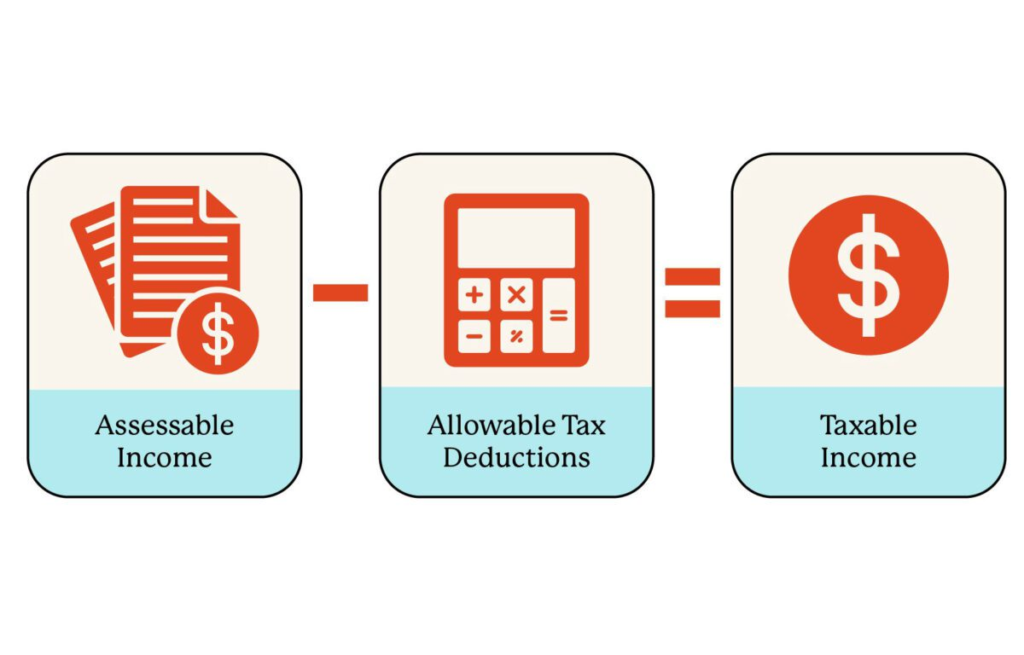
A tax deduction generally reduces the amount of income that is considered for tax purposes, subject to the rules of the applicable tax system.
This is different from a tax credit.
For example, if certain eligible expenses can be deducted, they may reduce the income amount used in a tax calculation.
However, an expense is not automatically deductible simply because it is related to your work or finances.
Eligibility can depend on the type of expense, your circumstances, documentation, limits, and local regulations.
That is why keeping evidence is so important.
Deductions Are Not Free Money
This is a common misunderstanding.
Suppose an eligible tax rule allows you to deduct a certain expense.
That does not necessarily mean the government gives you the entire amount of that expense back.
A deduction generally affects the amount subject to tax, while the actual tax benefit depends on the applicable tax calculation.
The difference matters.
Instead of asking, “How much money will I get back?”
A better question is:
“How does this eligible deduction affect my overall tax position?”
Keep Receipts and Supporting Documents
If you are claiming something that requires documentation, don’t wait until filing season to start looking for proof.
Create a simple system throughout the year.
Depending on your situation, useful records may include:
- Invoices.
- Receipts.
- Bank statements.
- Investment statements.
- Payroll records.
- Donation receipts.
- Business expense records.
- Loan documents.
- Property-related documents.
- Relevant government forms or notices.
Digital records can be convenient, but make sure important documents are stored securely and can be retrieved when needed.
A receipt that takes 30 seconds to save today can take much longer to reconstruct later.
Don’t Guess When Records Are Missing
Sometimes people lose receipts or forget why a transaction happened.
When that occurs, avoid simply making up a number because it seems reasonable.
Instead, look for supporting evidence.
Check your:
- Bank statements.
- Credit-card statements.
- Email confirmations.
- Online purchase histories.
- Invoices.
- Calendar records.
- Account statements.
If the amount or eligibility remains uncertain, professional tax advice may be appropriate.
Accurate records are far better than confident guesses.
What Is Tax Filing?
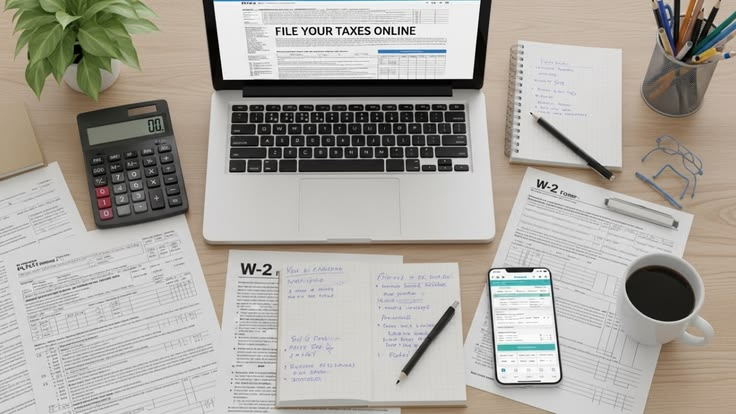
Tax filing is the process of providing the required information to the relevant tax authority so your tax position can be calculated or reported.
The process varies significantly between countries and even between different types of taxpayers.
Depending on where you live, filing may be done online, through paper forms, through an accountant or tax professional, or through approved software.
The important thing is to understand your own filing requirements rather than relying on what a friend, colleague, or social-media post says.
Two people can have very different tax obligations even if they earn similar amounts.
Don’t Leave Filing Until the Last Minute
Last-minute filing creates unnecessary pressure.
When you wait until the final days, you are more likely to:
- Miss documents.
- Enter information incorrectly.
- Forget a source of income.
- Misplace receipts.
- Miss a deadline.
- Make rushed decisions.
A better approach is to prepare early.
You don’t have to submit immediately.
Simply gathering your records and reviewing the information ahead of time gives you more room to identify problems.
Create a Tax Folder
A simple digital folder can make tax preparation much easier.
You could organize documents by year and category.
For example:
2026 Taxes
- Income
- Employment
- Investments
- Business
- Expenses
- Donations
- Property
- Government documents
Your exact categories will depend on your circumstances.
The goal is not perfect organization.
The goal is being able to find important information without searching through hundreds of unrelated files.
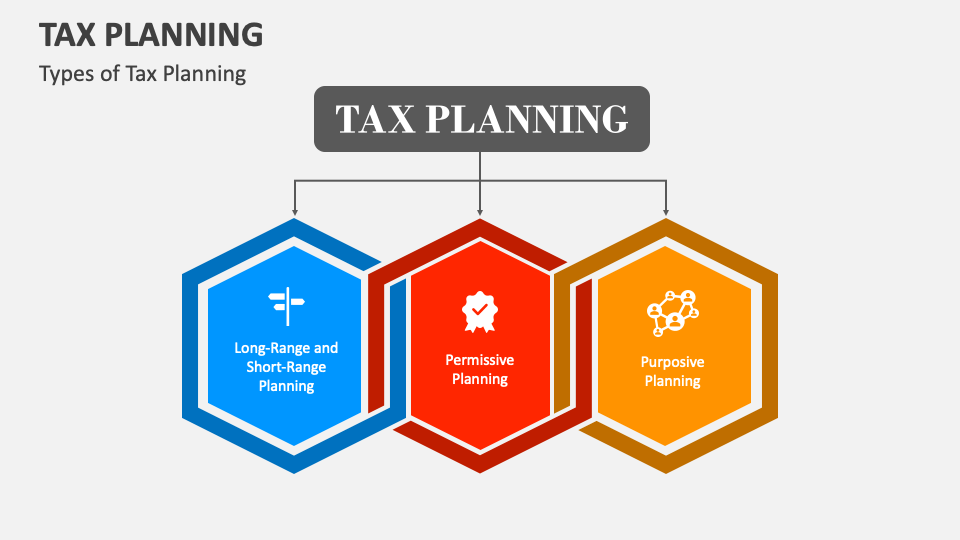
What Is Tax Planning?
Tax planning means considering the tax consequences of financial decisions before making them.
For individuals, that could involve thinking about income timing, investments, eligible contributions, major purchases, or other financial decisions.
For businesses, it can include planning around revenue, expenses, payroll, equipment, business structure, and cash flow.
Tax planning should never mean inventing expenses or hiding income.
Good tax planning works within the law.
The difference between legitimate planning and improper reporting is important.
Don’t Confuse Tax Avoidance With Tax Evasion
These terms are sometimes used interchangeably, but they can have very different meanings.
Tax avoidance can refer to legally arranging finances to take advantage of deductions, exemptions, credits, allowances, or other provisions available under applicable law.
Tax evasion generally involves deliberately breaking tax laws, such as hiding income or falsifying records.
If a tax strategy sounds like it depends on hiding information, creating fake expenses, or misleading authorities, it is not a normal tax-planning strategy.
When in doubt, seek advice from a qualified professional in your jurisdiction.
Understand Tax Credits
Tax credits work differently from deductions.
A deduction generally affects taxable income.
A credit generally reduces the tax amount calculated, subject to the specific rules and whether the credit is refundable or non-refundable.
Because credits and deductions work differently, it is worth understanding which ones may apply to your situation rather than assuming they are interchangeable.
Tax systems can also have different types of credits with different eligibility requirements.
Don’t Assume Everyone Gets the Same Tax Benefits
Two people earning the same amount can have different tax outcomes.
Why?
Because their circumstances may differ.
One person may have business income. Another may have investment income. Someone else may have eligible dependents, property-related expenses, retirement contributions, or other factors that affect their tax position.
This is why generic tax advice should be treated carefully.
A strategy that makes sense for one person may be irrelevant or inappropriate for someone else.
Accounting Basics Everyone Should Understand
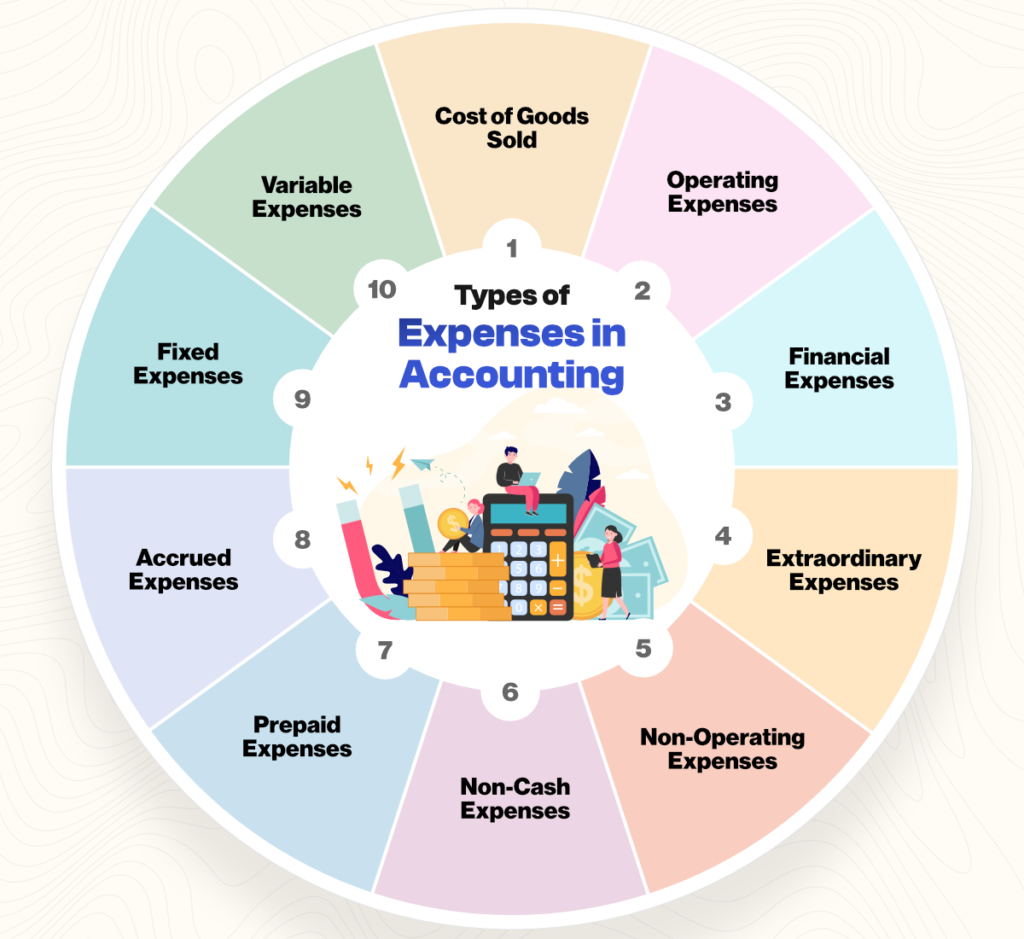

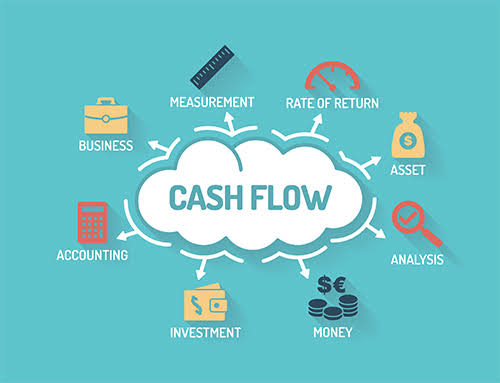
You don’t need to work in finance to understand a few basic accounting concepts.
Income
Money received from employment, business activity, investments, or other sources.
Expenses
Money spent to operate a household or business.
Assets
Things of financial value that you own or control.
Liabilities
Money or obligations that you owe.
Equity
In simple terms, the value remaining after liabilities are considered against assets.
Cash Flow
The movement of money into and out of your accounts.
Understanding these concepts can make financial statements and business reports much less intimidating.
Bookkeeping Is the Foundation
Bookkeeping is the process of recording financial transactions.
For a small business, this can include tracking:
- Sales.
- Purchases.
- Operating expenses.
- Payments.
- Invoices.
- Bank transactions.
- Payroll.
- Business assets.
- Other financial activity.
Good bookkeeping does more than prepare you for taxes.
It helps you understand whether the business is actually making money.
Revenue may look impressive, but if expenses are rising just as quickly, the business may not be financially healthy.
Profit and Cash Are Not the Same Thing

This distinction is especially important for business owners.
A business can appear profitable on paper while still experiencing cash-flow problems.
For example, you might issue an invoice today but not receive the money for several weeks.
The sale may be recorded according to the applicable accounting method, but the cash hasn’t arrived yet.
That is why businesses need to monitor both profitability and cash flow.
Profit tells you something about financial performance.
Cash flow tells you something about the movement and availability of money.
Both matter.
Track Expenses Throughout the Year
Expense tracking shouldn’t become a December project.
When expenses are recorded regularly, you are more likely to remember what they were for and keep the supporting documents.
A simple monthly review can help.
Look at your transactions and ask:
What was this purchase for?
Was it personal or business-related?
Do I have supporting documentation?
Does it need to be categorized differently?
These small reviews can prevent a large cleanup project later.
Use Accounting Software Wisely
Accounting software can make bookkeeping much easier, especially when transactions become more numerous.
Depending on the software, you may be able to:
- Record income and expenses.
- Send invoices.
- Track payments.
- Reconcile accounts.
- Generate reports.
- Monitor cash flow.
- Organize receipts.
- Prepare information for tax reporting.
But software doesn’t eliminate the need for judgment.
A computer can categorize a transaction incorrectly.
Automation can import information without understanding the context.
Review your records regularly rather than assuming every automated entry is correct.
Reconcile Your Accounts
Reconciliation means comparing your accounting records with external records, such as bank statements, to identify differences.
It is a simple habit that can catch:
- Missing transactions.
- Duplicate entries.
- Incorrect amounts.
- Bank fees.
- Unexpected payments.
- Recording mistakes.
Regular reconciliation is much easier than trying to find months of errors at once.
Plan for Taxes Instead of Being Surprised by Them
One of the worst financial surprises is discovering that a large tax payment is due when you haven’t set aside money for it.
If you have income that doesn’t automatically have the appropriate tax withheld or collected, consider planning ahead for the potential obligation according to your local rules.
You can keep a separate savings allocation for expected taxes if appropriate.
The exact amount depends on your circumstances and jurisdiction, so don’t blindly use someone else’s percentage.
The goal is simply to avoid treating tax as a surprise expense.
Financial Planning Goes Beyond Taxes
Tax planning is only one part of financial planning.
A strong financial plan should also consider your everyday life and long-term goals.
Think about:
- Emergency savings.
- Debt management.
- Retirement.
- Insurance.
- Investments.
- Major purchases.
- Education.
- Family goals.
- Business plans.
Tax efficiency is useful, but it shouldn’t become the only goal.
Saving a little tax while making a poor financial decision overall isn’t necessarily a good result.
Build an Emergency Fund
Unexpected expenses happen.
A car repair.
A medical bill.
A broken appliance.
A period without work.
An unexpected business expense.
An emergency fund provides a financial buffer so that one surprise doesn’t immediately turn into expensive debt.
How much you need depends on your income, expenses, job stability, family responsibilities, and other circumstances.
Start with an amount you can realistically maintain and build gradually.
Be Careful With Tax-Saving Investments
Tax benefits can make certain financial products attractive.
But don’t buy an investment simply because someone says it will “save taxes.”
Ask the bigger questions first:
- What does the investment actually do?
- What are the costs?
- What are the risks?
- How long is the money locked in?
- What return might reasonably be expected?
- What happens if your circumstances change?
- Is the tax benefit worth the overall trade-off?
A tax saving is not automatically a good investment.
Understand Your Deadlines
Tax deadlines are easy to underestimate.
Different taxpayers can have different filing or payment deadlines, and some jurisdictions have separate deadlines for reporting and payment.
Create a calendar for the deadlines that apply to you.
Include reminders for:
- Filing dates.
- Estimated or advance payments.
- Business reporting.
- Investment-related reporting.
- Document collection.
- Professional-accountant appointments.
Don’t rely entirely on memory.
A calendar reminder costs almost nothing and can prevent a stressful last-minute rush.
What About Freelancers and Self-Employed Workers?

Freelancers often have a more complicated financial picture than employees because income can arrive from several clients and tax may not be handled in the same way as regular employment income.
A freelancer should pay particular attention to:
- Recording every payment.
- Tracking legitimate business expenses.
- Keeping invoices.
- Saving relevant receipts.
- Setting aside money for taxes where appropriate.
- Separating business and personal transactions.
- Monitoring cash flow.
- Understanding local registration and reporting requirements.
One of the best habits is to treat bookkeeping as part of the job rather than something to do when tax season arrives.
Common Tax and Accounting Mistakes
Many financial problems are not caused by complicated accounting.
They happen because small things are ignored for too long.
Common mistakes include:
- Waiting until the deadline to gather documents.
- Forgetting a source of income.
- Mixing business and personal expenses.
- Losing receipts.
- Assuming every expense is deductible.
- Ignoring small transactions.
- Failing to reconcile accounts.
- Using outdated tax information.
- Copying someone else’s tax strategy without checking eligibility.
- Treating tax advice from social media as professional guidance.
Most of these problems are preventable with a simple system.
When Should You Hire a Professional?
Not everyone needs an accountant or tax professional for every financial decision.
For straightforward situations, you may be able to manage basic records and filing yourself using reliable tools and official information.
Professional help becomes particularly valuable when your situation becomes more complicated.
Consider seeking qualified advice if you have:
- A growing business.
- Multiple income sources.
- Significant investments.
- Complex property transactions.
- International income or financial interests.
- Major changes in your financial situation.
- Uncertainty about deductions or reporting.
- Tax notices or disputes.
- Complex estate or retirement planning needs.
Professional advice can cost money, but so can an expensive mistake.
Don’t Rely on Old Tax Information
Tax rules change.
A deduction available one year may have different requirements the next year. Filing procedures can change. Thresholds can change. Reporting requirements can change.
This is especially important when reading old blog posts or social-media content.
Before making a major tax decision, check current information from the relevant official tax authority or consult a qualified professional.
The date on financial information matters.
A Simple Monthly Tax and Accounting Routine
You don’t need to spend an entire weekend managing your finances.
A short monthly review can keep things under control.
Review Income
Check that your income records match your bank statements, invoices, payroll records, or other relevant documentation.
Review Expenses
Look through your transactions and categorize them correctly. Save Documents
Store receipts, invoices, statements, and other relevant records.Check for Missing Information
Look for transactions you don’t recognize or records that haven’t been entered.
Review Your Financial Position
Look at your savings, debt, investments, and upcoming expenses.
Update Your Calendar
Make sure important tax, accounting, and financial deadlines are recorded.
This routine may take less than an hour for a simple financial situation, but it can save a huge amount of time later.
A Practical Tax Preparation Checklist
When preparing for tax filing, consider gathering:
- Income records.
- Employment documents.
- Business income records.
- Investment statements.
- Relevant expense records.
- Donation documentation.
- Property records.
- Loan-related documents where applicable.
- Retirement or pension information.
- Previous tax filings.
- Government correspondence.
- Any other documents required under your local rules.
The exact checklist will depend on your circumstances and country.
FAQ’s
1. What is tax preparation?
Tax preparation is the process of gathering financial records, reviewing income and eligible deductions, completing the required tax forms, and preparing to file a tax return.
2. How should I prepare my finances for taxes in 2026?
Organize your income records, receipts, expense documents, investment statements, deductions, and other relevant financial paperwork before starting your tax return.
3. What documents should I keep for tax filing?
Common records include income statements, invoices, receipts, bank statements, investment documents, donation records, and other documents required by your local tax authority.
4. How can I organize my tax documents?
Create a dedicated digital or physical folder for the tax year and organize documents into categories such as income, expenses, investments, deductions, and official tax correspondence.
5. What are tax deductions?
Tax deductions are eligible amounts that may reduce taxable income, subject to the rules of the applicable tax system.