
Rising Costs Push British Zoos to the Brink

British zoos are experiencing unprecedented financial strain as inflation continues to drive up everyday operational costs. Electricity for climate-controlled enclosures, specialist diets for exotic animals, and round-the-clock care have become significantly more expensive. For smaller, independent zoos, these rising costs are proving especially difficult to absorb.
Why Zoos Can’t “Cut Costs” Like Other Businesses
Unlike retail or hospitality sectors, zoos cannot reduce expenses by lowering product quality or limiting services. Animal welfare standards are governed by strict UK laws and international guidelines. Any failure to meet these standards can lead to fines, license revocation, or forced closures. Zoo managers emphasize that animal care is a fixed responsibility, not a flexible budget item.
Energy Crisis and Climate Control Challenges
Many zoo enclosures rely heavily on heating, cooling, and humidity regulation to replicate natural habitats. The ongoing energy crisis has dramatically increased electricity bills, particularly for reptile houses, aquariums, and tropical exhibits. These energy demands are essential for animal survival, leaving zoos with little room to reduce consumption.
Staffing Pressures and Mental Health Concerns
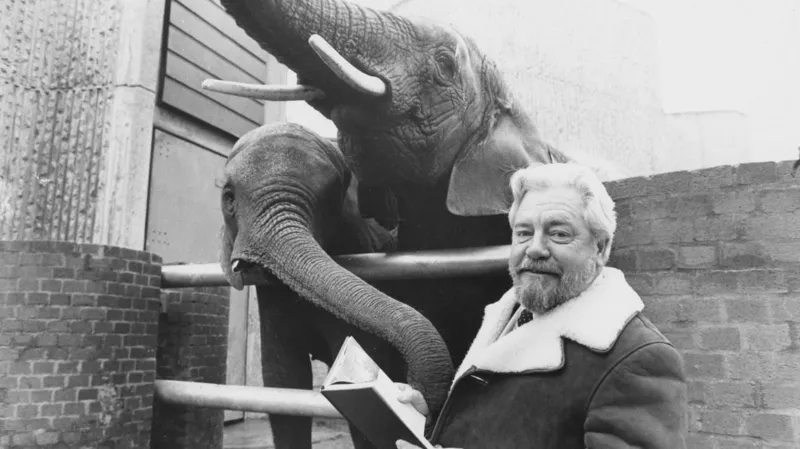
Animal care professionals are facing growing workloads as zoos attempt to operate with leaner teams. Long hours, emotional strain, and job insecurity are affecting staff morale and mental health. Experts warn that losing experienced keepers could have long-term consequences for animal care and welfare standards.
Conservation and Breeding Programs Under Threat
British zoos play a vital role in international breeding programs for endangered species, including coordinated efforts with conservation bodies worldwide. Financial instability threatens these long-term projects, many of which span decades. A zoo closure can disrupt breeding plans and reduce genetic diversity, impacting global conservation goals.
Declining Visitor Numbers and Changing Public Behavior
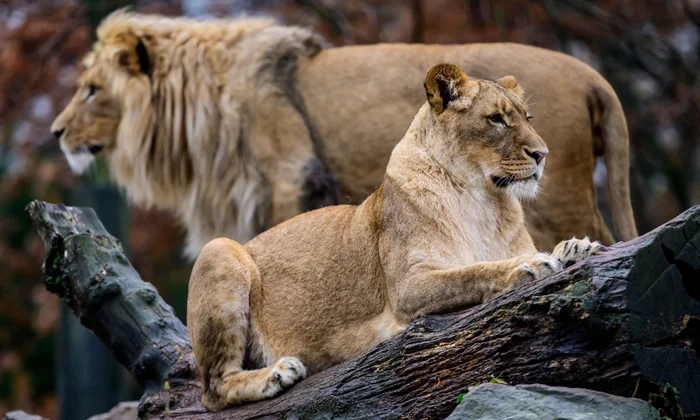
While tourism has recovered unevenly since the pandemic, visitor numbers at some zoos remain below pre-COVID levels. Rising living costs have also reduced discretionary spending, meaning fewer family visits and donations. This decline in public footfall directly affects zoo revenue streams.
Zoos as Education and Research Centers
Beyond entertainment, zoos contribute to scientific research, wildlife rehabilitation, and environmental education. School programs, outreach initiatives, and conservation awareness campaigns are at risk if funding continues to fall, potentially weakening future conservation efforts.
Urgent Calls for Government and Public Support
Zoo associations are calling for targeted government aid, reduced energy costs, and long-term funding strategies. They argue that supporting zoos is an investment in biodiversity, education, and animal welfare. Public support through memberships, donations, and visits is also being encouraged to help keep these institutions alive.
The Bigger Picture: What’s at Stake
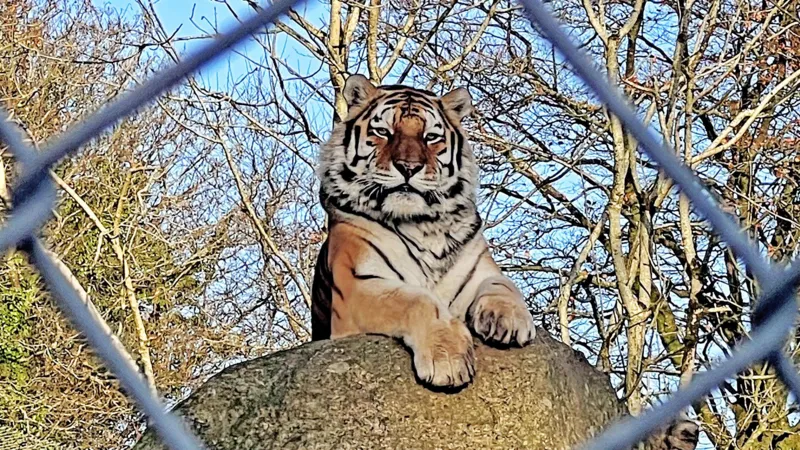
If closures increase, the loss will extend far beyond animal exhibits. Experts warn of job losses, reduced conservation capacity, and fewer safe environments for rescued and endangered animals. The core message from the sector remains clear: animal welfare must come first—even if survival itself is at risk.
Powerful Animal Welfare First: British Zoos Face Closure Fears
Rising Costs Push British Zoos to the Brink British zoos are experiencing unprecedented financial strain…

Tomodachi Life Returns in April With Weddings & Babies
Nintendo dove deep this morning on its upcoming simulation game, Tomodachi Life: Living The Dream….

Powerful Henry Cavill Unleashes Epic Power in Highlander Reboot
For some time now, we’ve feared we may have to become actual immortal warriors ourselves…

Why Is the Best Union Budget Presented on 1 February? Full History
Union Budget 2026: Finance Minister Nirmala Sitharaman is set to present India Budget 2026 on 1…

BTS stand to make $1bn as they announce mammoth comeback tour
BTS stand to make $1bn as they announce mammoth comeback tourK-pop idols BTS have announced…

Mobile Technology Trends in 2026: What’s Next for Smartphones
Smartphones are no longer just communication tools—they are becoming intelligent digital companions. As we move…
Faqs
#BritishZoos #AnimalWelfareFirst #ZooCrisis #WildlifeConservation #EndangeredSpecies #Carrerbook #Anslation #UKNews #CostOfLivingCrisis #SaveOurZoos #Biodiversity #EnvironmentalProtection