
The world of education is evolving faster than ever, and 2026 is set to be a landmark year for digital classrooms. Technology is not just a tool anymore—it’s redefining how students learn, how teachers teach, and how institutions operate. From AI-powered learning assistants to immersive virtual classrooms, education is becoming more personalized, accessible, and interactive than ever before.
In this blog, we’ll explore the top ways technology is transforming classrooms in 2026 and what it means for students, teachers, and parents.
1. AI-Powered Personalized Learning
One of the most significant changes in digital classrooms is AI-driven personalized learning. Instead of a one-size-fits-all approach, AI tools adapt lessons to each student’s pace and style.
Key benefits:
- Personalized quizzes and assignments tailored to individual progress.
- Instant feedback for better understanding and improvement.
- AI tutors available 24/7 to answer questions outside classroom hours.
For example, platforms like Khan Academy, Coursera, and emerging AI-based tools now offer adaptive learning experiences that adjust content based on student performance.
2. Virtual and Augmented Reality Classrooms
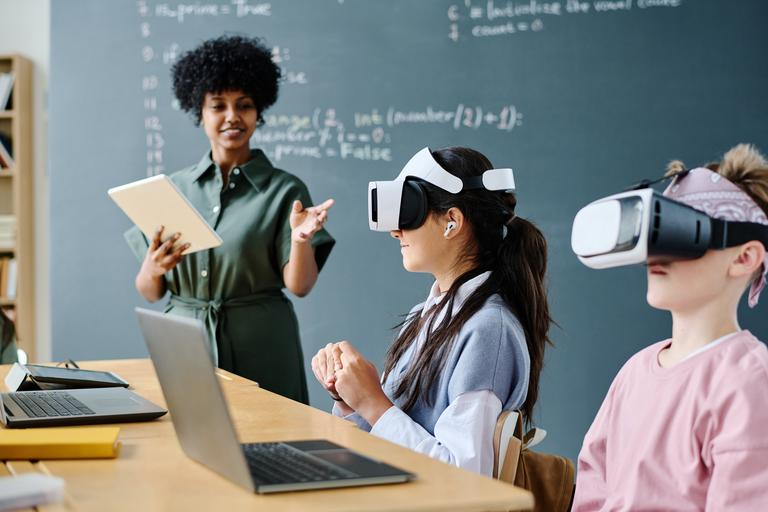
In 2026, VR and AR will take learning to a new level. Students can explore historical sites, dive into the human body, or even travel to space—all without leaving their homes.
Highlights:
- Immersive simulations for science, history, and engineering lessons.
- Collaborative virtual environments where students interact globally.
- Enhanced engagement through gamified learning experiences.
Imagine a history class where students walk through ancient Rome, or a biology lesson exploring the inside of a cell in 3D—that’s the power of VR/AR in digital classrooms.
3. Cloud-Based Collaboration Tools

Cloud technology continues to revolutionize teamwork and assignments. Students and teachers can collaborate in real-time, share resources instantly, and track progress from anywhere.
Top tools in 2026:
- Google Workspace for Education for collaborative documents and presentations.
- Microsoft Teams and Zoom for virtual group projects.
- Notion and other AI-powered note-taking apps for project management.
This shift ensures that learning is no longer bound by physical classrooms, making education accessible even in remote areas.
4. Gamification and Interactive Learning

Gamified education is one of the most effective ways to boost engagement. In 2026, more classrooms are integrating interactive games and challenges to make learning fun.
Examples:
- Math and science games with real-time progress tracking.
- Interactive quizzes with instant rewards and leaderboards.
- Coding and programming challenges in immersive environments.
Studies show that students retain information better when learning is interactive, competitive, and enjoyable.
5. Data-Driven Insights for Teachers

Technology is also helping teachers make smarter decisions. With advanced analytics and data dashboards, educators can:
- Track individual student progress.
- Identify learning gaps early.
- Customize teaching strategies to improve outcomes.
This data-driven approach ensures every student gets the support they need, making classrooms more efficient and results-oriented.
6. Global Learning Opportunities

Digital classrooms are breaking geographical barriers. In 2026, students can attend live lectures from top universities worldwide, participate in international projects, and learn from experts across the globe.
Benefits include:
- Exposure to diverse perspectives.
- Opportunities for cross-cultural collaboration.
- Access to cutting-edge resources without traveling.
Final Thoughts
Digital classrooms in 2026 are more than just screens and devices—they represent a complete shift in how knowledge is delivered and absorbed. With AI, VR/AR, gamification, and cloud collaboration, students are learning faster, smarter, and more creatively.
For educators, embracing these technologies is no longer optional—it’s essential. And for students, it’s an exciting era where learning can be personalized, engaging, and truly global.
This blog is for informational purposes only. Education trends, tools, and technologies may vary based on location and school policies. Always consult your institution for approved digital learning tools.
#DigitalClassrooms #EdTech2026 #FutureOfEducation #AIInEducation #Carrerbook #Anslation #VRClassrooms #InteractiveLearning #CloudLearning #EducationTrends